From Battlefield to Business
A walkie-talkie, formally known as a handheld transceiver (HT), is a portable, two-way radio device. Its development during the Second World War changed the face of communication forever. Credit for its invention is shared among several pioneers, including Canadian inventor Donald Hings, radio engineer Alfred J. Gross, and engineering teams at Motorola led by Henryk Magnuski.

Did you know?
The first device widely nicknamed a "walkie-talkie" was the backpack-mounted Motorola SCR-300 created in 1940. The first handheld version, the SCR-536, was actually called a "Handie-Talkie". Today, the terms are often used interchangeably.
Wartime Innovation
Handheld two-way radios were developed by the military to keep infantry squads in contact with their commanders. Donald Hings created a portable signaling system called a "packset" for his employer CM&S in 1937, which later became known as the walkie-talkie. In 2001, Hings received the Order of Canada for the device's significance to the war effort.
Meanwhile, Motorola's engineering team, including Dan Noble (who conceived the design using frequency modulation) and Henryk Magnuski (principal RF engineer), developed the iconic SCR-300 backpack radio. By the end of the war, these devices had spread from infantry to field artillery and tank units, laying the groundwork for public safety and commercial use.
How It Works
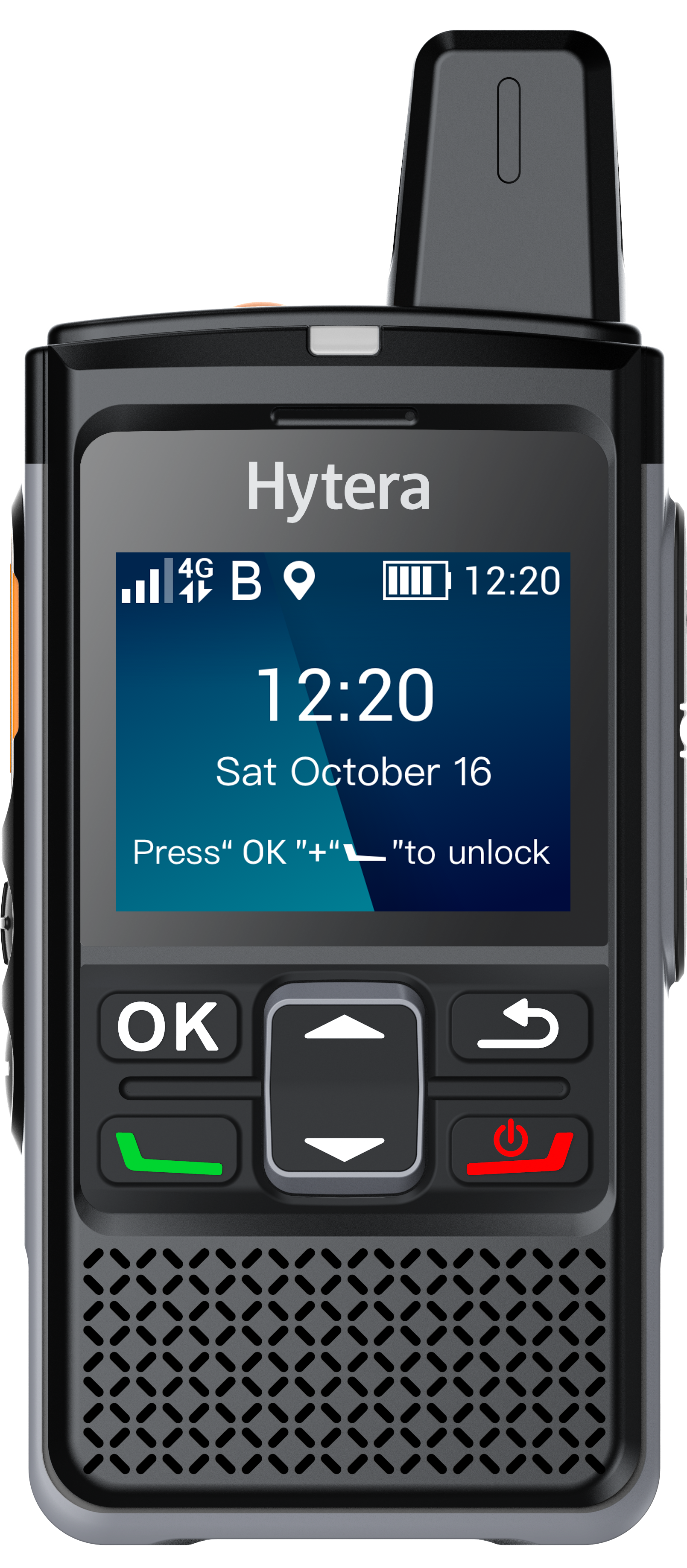
Typical walkie-talkies resemble a telephone handset with a built-in speaker and microphone. They utilize half-duplex communication: multiple radios share a single radio channel, but only one person can transmit at a time. The device is normally in receive mode until the user presses the "Push-to-Talk" (PTT) button, which turns off the receiver and activates the transmitter.